Technologies for Understanding Customer Needs: CRM and Analytics
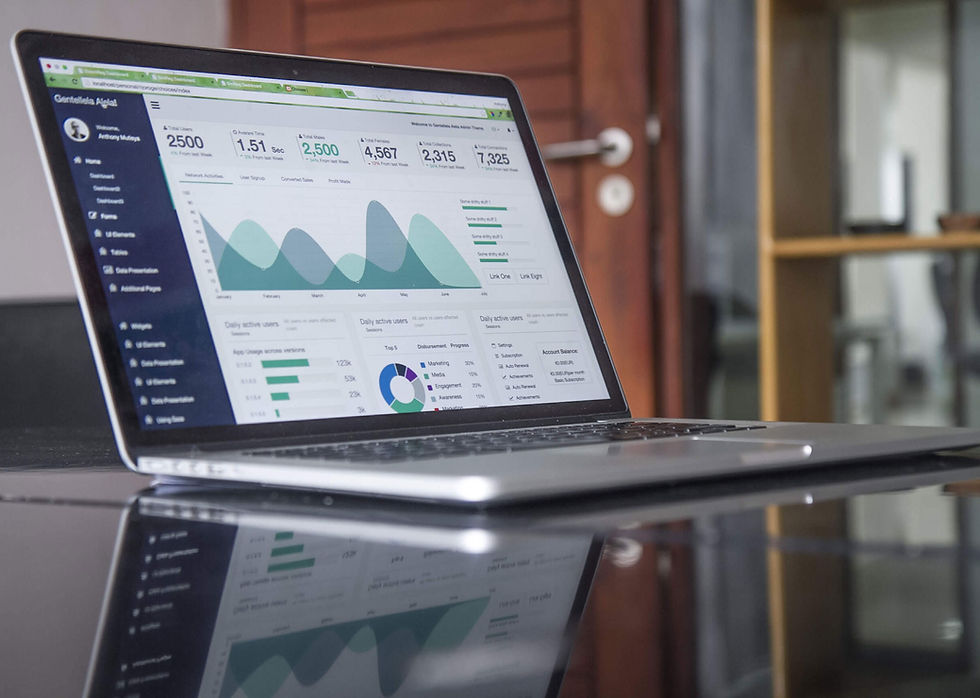
In an increasingly competitive world, understanding customer needs has become essential for the success of any business. Companies must anticipate and efficiently respond to customer expectations to remain relevant and competitive. In this context, Customer Relationship Management (CRM) and analytics technologies play a crucial role. These tools allow companies to collect, analyze, and utilize customer information to optimize their marketing, sales, and service strategies.
What is CRM?
CRM, short for Customer Relationship Management, is a system or strategy designed to manage a company's interactions and relationships with its current and potential customers. The main goal of CRM is to improve business relationships, help with customer retention, and drive sales growth. These systems centralize customer information, such as purchase history, preferences, and past interactions with the company.
Benefits of a CRM System
An effective CRM system brings multiple benefits to companies. First, centralizing customer data allows sales, marketing, and support teams to access up-to-date and relevant information. Thus, each customer interaction can be personalized, increasing the chances of success.
Second, CRMs facilitate the automation of certain processes, such as sending personalized emails or managing support requests. This not only saves time but also improves operational efficiency.
Additionally, CRMs offer detailed reports and analyses, helping companies better understand customer behavior and preferences. This information is essential for developing more effective marketing and sales strategies.
What is Analytics?
Analytics refers to the process of collecting, analyzing, and interpreting data to uncover patterns and gain valuable insights. In the context of understanding customer needs, analytics involves using data to identify consumer behaviors, preferences, and trends.
There are different types of analytics used in business, including:
Descriptive analytics: Analyzes historical data to identify patterns and understand what has happened in the past.
Predictive analytics: Uses statistical models and machine learning to predict future behaviors and trends.
Prescriptive analytics: Provides recommendations based on predictive analytics to help companies make informed decisions.
Benefits of Analytics for Understanding Customer Needs
Analytics provides companies with a clear view of customer behavior, helping them identify needs and preferences. By analyzing data about purchases, interactions, and feedback, companies can develop detailed customer profiles, allowing them to personalize offers and marketing messages.
Additionally, analytics can help identify emerging market trends, enabling companies to quickly adapt to changes in consumer behavior. This can lead to the development of new products and services that better meet customer demands.
Another major benefit of analytics is the optimization of marketing campaigns. By analyzing the performance of previous campaigns and identifying the most effective channels and messages, companies can allocate resources more efficiently and achieve a higher return on investment (ROI).
Integrating CRM and Analytics
Integrating CRM with analytics gives companies a significant competitive advantage. Combining customer data with advanced analytics allows for a deep and detailed understanding of their needs. This translates into greater personalization of interactions, increased customer satisfaction, and, implicitly, greater loyalty.
For example, a CRM can collect data on customers' purchasing behavior, and analytics can analyze this data to identify patterns and predict future behaviors. In this way, companies can anticipate customer needs and offer products and services that perfectly meet their expectations.
Challenges of Implementing CRM and Analytics
Although the benefits of using CRM and analytics are clear, implementing these technologies can come with challenges. One of the main challenges is ensuring data quality. Inaccurate or incomplete data can lead to erroneous conclusions and wrong decisions. Therefore, it is essential for companies to invest in processes and technologies that ensure accurate data collection and management.
Another challenge is integrating these technologies with existing systems. Many companies already use various software solutions to manage different aspects of their business, and integrating a CRM and analytics system may require significant adjustments and additional resources.
Conclusion
Technologies for understanding customer needs, such as CRM and analytics, are essential for the success of companies in the digital age. These tools provide a detailed perspective on customer behavior and preferences, allowing companies to develop personalized and effective strategies. Although implementing these technologies may come with challenges, the long-term benefits are undeniable. Companies that invest in CRM and analytics will be better equipped to respond quickly and efficiently to the ever-changing needs of their customers.