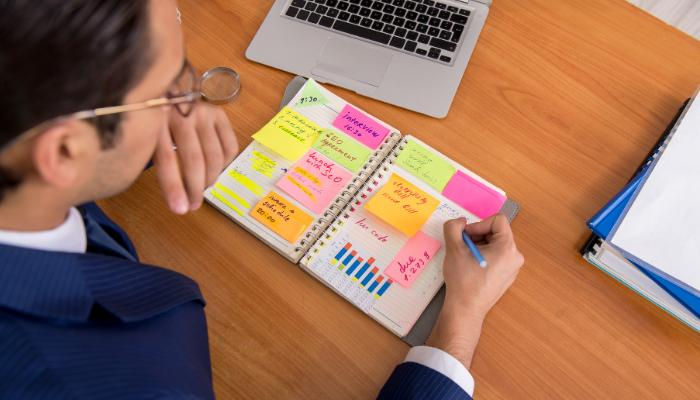
Efficient Email Management: Reducing Time Spent on Correspondence
- Nov 21, 2023
- 3 min read
Updated: Jun 11, 2024
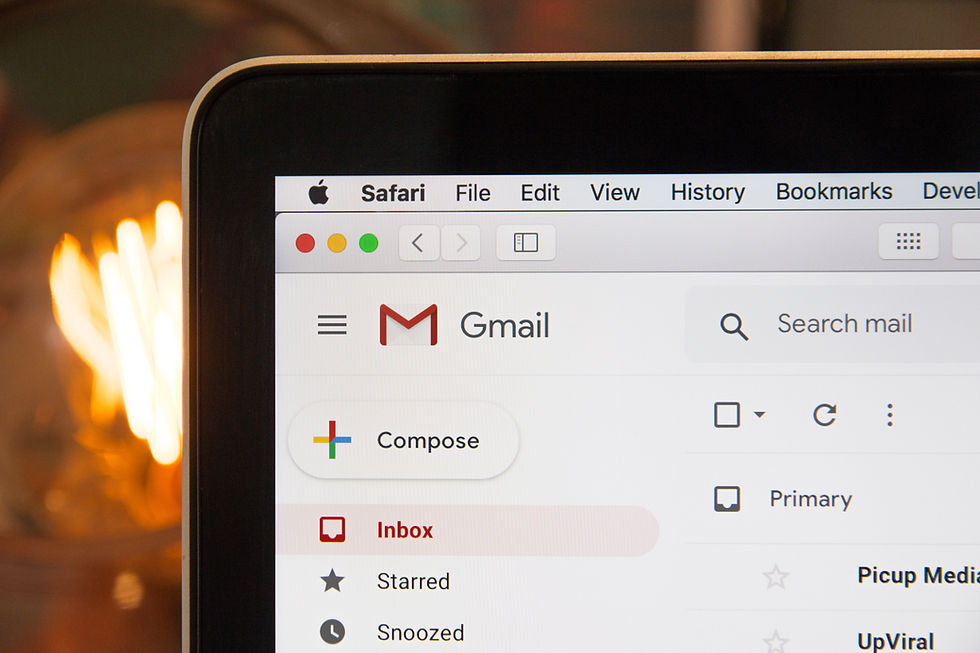
Emails have become an essential part of our personal and professional lives. However, proper email management can be a challenge, and the time spent on correspondence can become overwhelming. In this material, we will explore some strategies and techniques for efficiently managing emails and reducing the time spent on this activity, enabling you to be more productive and organized.
● Set Dedicated Time Intervals for Emails:
One of the key aspects of efficient email management is to set dedicated time intervals for checking and responding to emails. Instead of constantly checking emails throughout the day, allocate specific moments when you will handle electronic correspondence. For example, you can check emails in the morning, at lunch, and before leaving the office. This approach helps you focus on other tasks and reduces distractions caused by constant email checking.
● Prioritize Emails:
Not all emails are equally important. Before starting to respond to messages, take the time to prioritize them. Label emails that require immediate attention or are related to important projects. At the same time, identify emails that can be postponed or deleted without significantly impacting your work.
● Use Technology for Email Organization:
Most email platforms offer features for organizing and filtering messages. Use them to keep your inbox clean and orderly. Create folders or labels for email categories and set up filters to redirect certain types of emails to these places. This will help you find necessary information more easily and avoid clutter in your inbox.
● Implement Automated Rules:
Another way to efficiently manage emails is to implement automated rules in the email platform. You can set rules to automatically sort emails based on the sender, subject, or other relevant criteria. For example, you can configure a rule that automatically redirects emails from certain clients or colleagues to a separate folder.
● Utilize Quick Responses and Templates:
To save time in managing emails, use quick responses and pre-defined templates for frequently asked questions. Many email platforms allow the creation and use of these templates. For instance, if you often receive inquiries about contact information or terms and conditions, you can have a template ready for a quick and efficient response.
● Avoid Redundant Emails:
Some emails can be avoided through more efficient communication with colleagues or clients. Encourage the use of other means of communication, such as phone calls or in-person discussions, for urgent matters or complex discussions. Reducing the number of unnecessary emails will make email management easier.
● Keep Your Inbox Clean:
A cluttered inbox can contribute to confusion and time wastage. Take time to clean your inbox regularly. Delete or archive old and irrelevant emails. Keep only relevant and important emails in your main inbox.
● Avoid Overuse of "Reply All":
When responding to an email, avoid using the "Reply All" function unless necessary. Often, not all recipients need the same information or response, which can lead to an unnecessarily long and confusing conversation.
● Set Time Limits for Responses:
Not all emails require immediate responses. Set time limits for responding to emails based on priority and urgency. This way, you can focus on primary tasks and avoid distractions caused by electronic correspondence.
● Learn to Say "No" to Unnecessary Emails:
Don't hesitate to refuse emails that add no value or distract you from important tasks. In the case of marketing emails or inappropriate requests, you can use the block or report as spam function to reduce the volume of unwanted correspondence.
Efficient email management is crucial to concentrate on important tasks and reduce time spent on correspondence. By setting dedicated intervals for checking emails, prioritizing messages, using technology to organize your inbox, and implementing automated rules, you can simplify and streamline electronic correspondence management. With these strategies and techniques, you'll be able to increase your productivity and stay more organized in today's crowded digital world.